

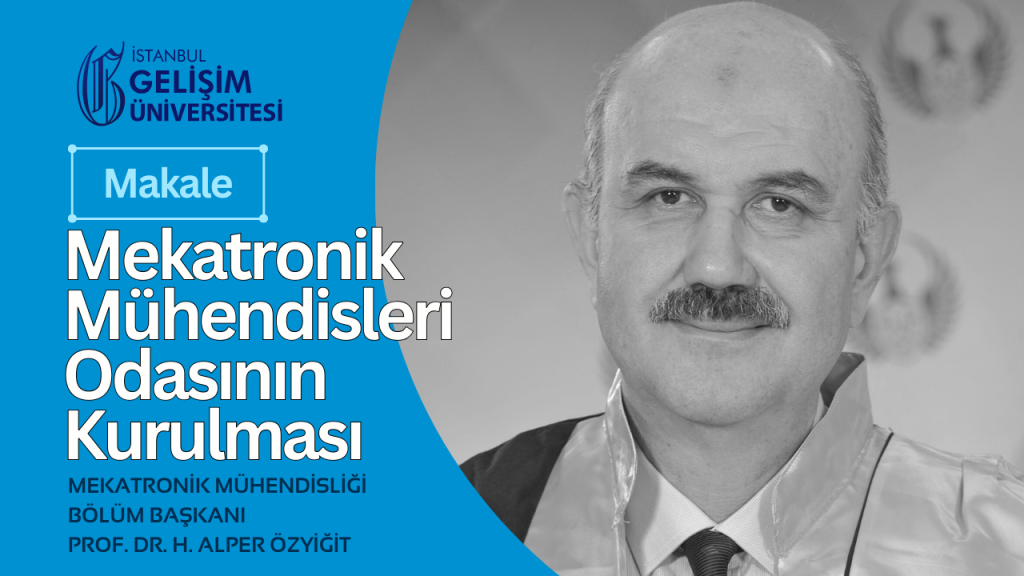
İstanbul Gelişim Üniversitesi Mekatronik Mühendisliği Bölüm Başkanı Prof. Dr. H. Alper Özyiğit, Mekatronik Mühendisleri Odası’nın kurulması hakkındaki görüşlerini şu şekilde dile getirmiştir:
Giriş
Mühendislik tarihi, teknolojinin evrimiyle paralel olarak sürekli bir dallanma ve uzmanlaşma süreci izlemiştir. Ancak 21. yüzyıl, bu sürecin tersine işlediği; disiplinlerin ayrışmak yerine yakınsadığı, sınırların silikleştiği ve sistem odaklı düşüncenin esas hale geldiği bir dönemi işaret etmektedir. Makine, elektrik-elektronik ve yazılım mühendisliğinin kesişiminde doğan Mekatronik Mühendisliği, yalnızca bir “alt disiplin” veya “arayüz” olmanın ötesine geçerek; kendine özgü metodolojisi, felsefesi ve uygulama alanlarıyla özgün bir disiplin haline gelmiştir. Bu bağlamda Mekatronik Mühendisleri Odası’nın kurulması, sadece mesleki bir örgütlenme ihtiyacı değil, aynı zamanda ülkemizin teknolojik kalkınma hedefleri ve endüstriyel güvenliği açısından stratejik bir gerekliliktir.
1. Mekatronik Disiplininin Kapsamı ve Özgün Kimliği
Uzun yıllar boyunca mekatronik, klasik disiplinlerin bir bileşimi olarak algılanmıştır. Oysa mekatronik tasarım, bileşenlerin sonradan bir araya getirilmesi değil; mekanik, elektronik ve kontrol algoritmalarının tasarım sürecinin en başından itibaren eş zamanlı ve sinerjik bir şekilde, bütünleşik bir yapı olarak ele alınmasıdır. Bu “bütüncül tasarım yaklaşımı”, mekatronik mühendisini diğer disiplinlerden ayıran temel yetkinliktir. Bu özgün kimliğin, mevcut meslek odalarının genel çatısı altında tanımlanması ve temsil edilmesi, disiplinin kendine has dinamiklerinin göz ardı edilmesine yol açabilmektedir. Söz konusu metodolojinin standartlarını belirleyecek en uygun yapı, müstakil bir meslek odasıdır.
2. Endüstriyel Dönüşüm ve Uzmanlaşma İhtiyacı
Endüstri 4.0, Toplum 5.0 ve Otonom Sistemler çağına girilirken, endüstrinin ihtiyaç duyduğu mühendislik profili de köklü bir değişime uğramıştır. Mevcut talep, yalnızca bir dişli mekanizması tasarlayan veya sadece bir devre kuran mühendislerden ziyade; sensörden gelen veriyi işleyip eyleyiciye komut gönderen “akıllı sistemleri” kurgulayan mühendislere yöneliktir. Savunma sanayiinden biyomedikal cihazlara, elektrikli araçlardan insansız hava araçlarına kadar kritik sektörlerin temelini mekatronik sistemler oluşturmaktadır. Bu endüstriyel talebe yanıt olarak mesleki standartların belirlenmesi, görev tanımlarının netleştirilmesi ve sektör ihtiyaçlarına uygun eğitim politikalarının geliştirilmesi, ancak ayrı bir oda yapılanması ile mümkündür.
3. Mesleki Yetkinlik, Görev Kapsamı ve İmza Yetkisi Sorunları
Mevcut durumda mekatronik mühendisleri, yetki karmaşası ve projelerdeki imza yetkisi kısıtlamaları ile ilgili sorunlar yaşamaktadır. Karmaşık bir robotik sistemin veya otomasyon hattının güvenlik ve işlevsel denetiminin, sistemi bir bütün olarak ele alan bir mekatronik mühendisi yerine, parçalı disiplinler (yalnızca makine veya yalnızca elektrik) tarafından onaylanması, teknik ve hukuki riskler barındırmaktadır.
- Güvenlik: Asansör sistemlerinden cerrahi robotlara kadar insan hayatını etkileyen sistemlerde, yazılım-donanım uyumunun denetimi hayati önem taşımaktadır.
- Hukuki Sorumluluk: Olası bir kaza durumunda, sorunun mekanik mi, yazılımsal mı yoksa sensör kaynaklı mı olduğunun tespiti ve sorumluluğun baştan doğru tanımlanması gereklidir.
Mekatronik Mühendisleri Odası, bu belirsiz alanları netleştirerek, meslektaşların yetkinlikleriyle uyumlu bir yasal çerçevede çalışmalarını sağlayacak ve kamu güvenliğini temin edecektir.
4. Disiplinlerarası Dönüşüm ve Gelecek Vizyonu
Yapay Zeka (YZ) ve Nesnelerin İnterneti (IoT) gibi kavramlar, mekatronik sistemlerin temel işlem kapasitesini oluşturmaktadır. Geleceğin dünyası, statik makinelerden ziyade; öğrenen, adapte olan ve karar veren mekatronik sistemleri barındıracaktır. Bu hızlı teknolojik dönüşüme uyum sağlamak, sürekli eğitimi ve dinamik bir mesleki yapılanmayı zorunlu kılmaktadır. Klasik odalar, kendi ana disiplinlerinin (inşaat, makine vb.) geniş kapsamlı sorunlarıyla ilgilenirken; mekatronik gibi hızla gelişen bir alanın spesifik ihtiyaçlarına (örneğin gömülü yazılım standartları veya robotik güvenlik protokolleri) yeterince odaklanamayabilmektedir.
Sonuç
Mekatronik Mühendisleri Odası’nın kurulması bir ayrışma değil, mühendislik ekosistemindeki eksik bir halkanın tamamlanmasıdır. Ülkemizin yüksek teknoloji üreten, katma değerli ürün ihraç eden ve küresel rekabette yer edinen bir konuma erişebilmesi için, bu teknolojiyi üreten mühendislerin kurumsal örgütlenmesi önem arz etmektedir. Mesleki hakların korunması, etik standartların belirlenmesi ve akademik bilginin endüstriye doğru aktarımı için “Mekatronik Mühendisleri Odası”, ertelenemez bir gerekliliktir.
Değerli görüş ve fikirleri için İstanbul Gelişim Üniversitesi Mekatronik Mühendisliği Bölüm Başkanı Prof. Dr. H. Alper Özyiğit hocamıza teşekkür ederiz.
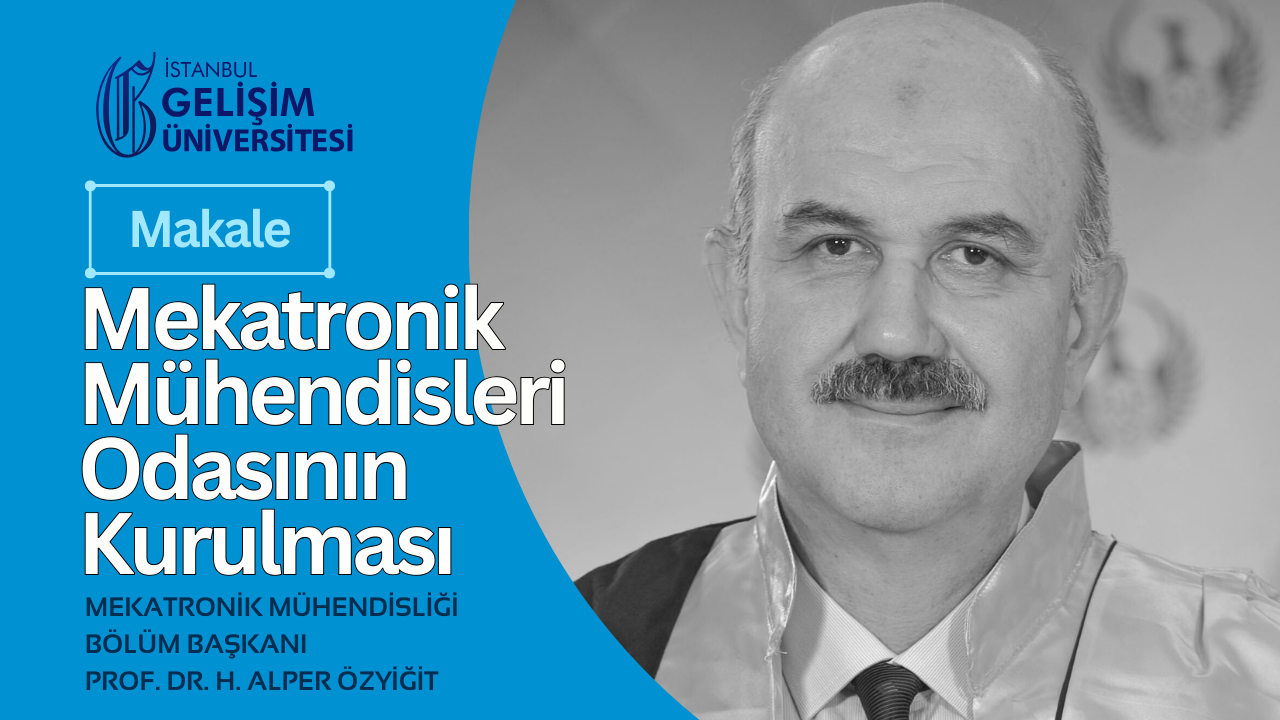
Prof. Dr. H. Alper Özyiğit, Head of the Department of Mechatronics Engineering at Istanbul Gelişim University, has expressed his views on the establishment of the Chamber of Mechatronics Engineers as follows:
Introduction
The history of engineering has followed a continuous process of diversification and specialization in parallel with the evolution of technology. However, the 21st century marks a period in which this process has begun to operate in reverse: disciplines are converging rather than diverging, boundaries are becoming blurred, and system-oriented thinking has become fundamental. Emerging at the intersection of mechanical engineering, electrical and electronics engineering, and software engineering, Mechatronics Engineering has gone beyond being merely a “sub-discipline” or an “interface” and has become an independent discipline with its own unique methodology, philosophy, and fields of application. In this context, the establishment of the Chamber of Mechatronics Engineers is not only a professional organizational need, but also a strategic necessity for our country’s technological development goals and industrial safety.
1. Scope and Distinct Identity of the Mechatronics Discipline
For many years, mechatronics was perceived as a combination of classical disciplines. However, mechatronic design is not the subsequent assembly of components; rather, it is the simultaneous and synergistic treatment of mechanical, electronic, and control algorithms as an integrated structure from the very beginning of the design process. This “holistic design approach” is the core competency that distinguishes mechatronics engineers from other disciplines. Defining and representing this unique identity under the general umbrella of existing professional chambers may lead to the neglect of the discipline’s distinctive dynamics. The most appropriate structure to establish the standards of this methodology is an independent professional chamber.
2. Industrial Transformation and the Need for Specialization
As we enter the era of Industry 4.0, Society 5.0, and Autonomous Systems, the engineering profiles demanded by industry have undergone a fundamental transformation. The current demand is not for engineers who merely design a gear mechanism or build a circuit, but for those who design “intelligent systems” that process data from sensors and send commands to actuators. From the defense industry to biomedical devices, and from electric vehicles to unmanned aerial vehicles, mechatronic systems form the backbone of critical sectors. Responding to this industrial demand by defining professional standards, clarifying job descriptions, and developing education policies aligned with sectoral needs is only possible through a separate chamber structure.
3. Professional Competence, Scope of Duties, and Signing Authority Issues
At present, mechatronics engineers face problems related to authority confusion and restrictions on signing authority in projects. The approval of the safety and functional compliance of a complex robotic system or automation line by fragmented disciplines (solely mechanical or solely electrical), rather than by a mechatronics engineer who considers the system as a whole, entails technical and legal risks.
Safety: In systems that affect human life—from elevator systems to surgical robots—the inspection of software–hardware compatibility is of vital importance.
Legal Responsibility: In the event of a possible accident, it is necessary to determine whether the issue originates from mechanical, software, or sensor-related causes, and to define responsibility correctly from the outset.
The Chamber of Mechatronics Engineers would clarify these ambiguous areas, enable professionals to work within a legal framework aligned with their competencies, and ensure public safety.
4. Interdisciplinary Transformation and Future Vision
Concepts such as Artificial Intelligence (AI) and the Internet of Things (IoT) constitute the core processing capacity of mechatronic systems. The world of the future will contain not static machines, but mechatronic systems that learn, adapt, and make decisions. Adapting to this rapid technological transformation necessitates continuous education and a dynamic professional structure. While traditional chambers focus on the broad and established issues of their primary disciplines (such as civil or mechanical engineering), they may not be able to adequately address the specific needs of a rapidly evolving field like mechatronics—such as embedded software standards or robotic safety protocols.
Conclusion
The establishment of the Chamber of Mechatronics Engineers is not a fragmentation, but the completion of a missing link in the engineering ecosystem. For our country to achieve a position that produces high technology, exports high value-added products, and competes globally, the institutional organization of the engineers who develop these technologies is of critical importance. For the protection of professional rights, the establishment of ethical standards, and the effective transfer of academic knowledge to industry, the Chamber of Mechatronics Engineers is an indispensable and non-deferrable necessity.
We would like to express our sincere thanks to Prof. Dr. H. Alper Özyiğit, Head of the Department of Mechatronics Engineering at Istanbul Gelişim University, for his valuable opinions and insights.